




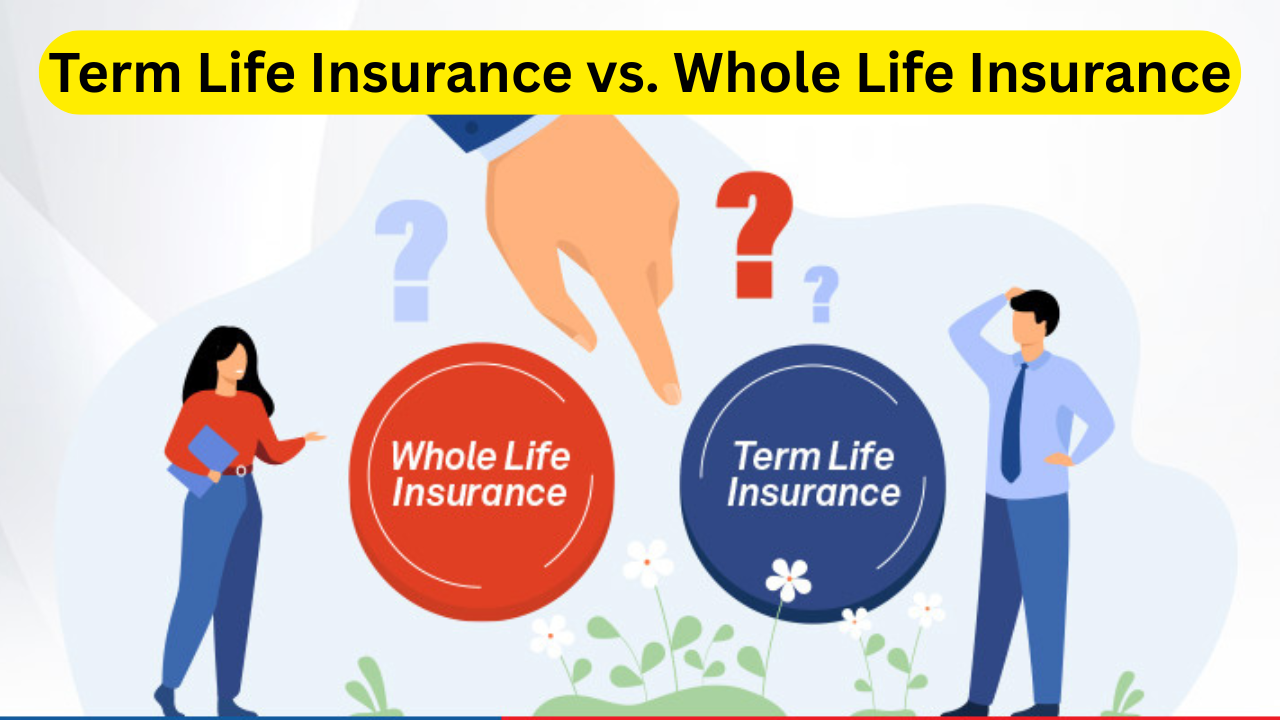
Term Life Insurance vs. Whole Life Insurance: In today’s uncertain world, life insurance has become more than just a financial product—it’s a fundamental part of securing your family’s future. Whether you’re planning for your child’s education, covering long-term debts, or simply aiming to leave a legacy, the right life insurance policy can provide immense peace of mind. However, choosing between term life insurance and whole life insurance can be confusing for many. Both options serve different purposes, and understanding the distinctions is crucial in making an informed decision.
Term life insurance is known for its simplicity and affordability. It provides financial coverage for a specific time period (10, 20, or 30 years). If the policyholder passes away during this term, the designated beneficiary receives a death benefit. This is ideal for individuals looking for low-cost protection during their most financially vulnerable years. On the other hand, whole life insurance is a permanent policy that not only offers lifelong coverage but also builds cash value over time. Although more expensive, whole life insurance can be a valuable asset in long-term financial planning.
Your choice between term and whole life insurance depends largely on your financial goals, budget, and stage of life. Younger individuals and families often opt for term insurance due to its affordability and temporary protection during income-earning years. Those looking for a stable, long-term investment and estate planning tool may prefer whole life insurance despite its higher premium. Understanding your options thoroughly ensures that you and your loved ones are protected in the best way possible.
What is Term Life Insurance?
Term life insurance is a straightforward insurance plan that provides coverage for a fixed period—typically 10, 15, 20, or 30 years. It is designed primarily for income replacement, making it suitable for people with dependents or significant liabilities like a mortgage.
Features:
- Lower monthly premiums
- Fixed-term coverage
- No cash value
- Pure protection policy
What is Whole Life Insurance?
Whole life insurance, also known as permanent life insurance, offers lifelong protection along with a savings component known as cash value. This policy remains active as long as premiums are paid, and you can borrow against the cash value in times of need.
Features:
- Higher premiums
- Lifetime coverage
- Builds cash value over time
- Eligible for dividends (in some cases)
Who Can Apply for Life Insurance?
Anyone meeting the following criteria can apply for term or whole life insurance:
- Age: Typically between 18 to 65 years
- Health: A medical exam may be required, especially for whole life plans
- Income: Must be able to afford monthly premiums
- Citizenship: Usually limited to citizens or permanent residents
Special policies are available for seniors, smokers, and people with pre-existing health conditions, but these often come at a higher cost.
Also read: Family Health Insurance: Safeguarding Health and Education Together
Insurance Fees: What to Expect?
Term Life Insurance Premiums:
- Age 25: Starts around $10–$15/month for $250,000 coverage
- Age 35: Around $20–$25/month for $500,000 coverage
- Age 45+: Starts increasing rapidly to $50+/month
Whole Life Insurance Premiums:
- Age 25: Typically $100+/month for $250,000 coverage
- Age 35: $150–$250/month for $500,000 coverage
- Age 45+: Starts at $300+/month depending on health and term
How to Use Life Insurance & Its Benefits
1. Financial Security for Family
Provides a lump-sum payout to beneficiaries for daily expenses, education, and debts.
2. Income Replacement
Ensures your loved ones maintain their standard of living after your passing.
3. Tax-Free Death Benefit
The payout from a life insurance policy is typically not subject to income tax.
4. Investment and Loans (for Whole Life)
You can borrow against the cash value or use it as collateral for loans.
5. Estate Planning and Legacy
Helps in estate equalization, business succession, or charitable contributions.How to Apply for Life Insurance
- Visit a Reliable Provider – Go to Healthedly Life Insurance Plans
- Compare Policies – Use their tools to compare term vs whole life insurance.
- Submit Application – Fill out your personal, financial, and medical details.
- Medical Exam (if required) – Schedule a free health checkup with a paramedical professional.
- Approval & Payment – Once approved, start paying your monthly premium to activate your policy.
Important Dates
- Open Enrollment Period: Usually starts October 15th and ends December 7th (may vary)
- Policy Activation: Usually takes 7–14 business days after approval
- Grace Period: Most policies offer a 30-day grace period for missed payments
Disclaimer
The information provided in this article is for educational purposes only and does not constitute financial advice. Always consult a licensed financial advisor or insurance agent before making a final decision. Insurance policies and their benefits vary by state and provider.
Term Life Insurance vs. Whole Life Insurance Conclusion
Life insurance is a critical part of a well-rounded financial strategy. Whether you choose term life insurance for affordability or whole life insurance for long-term wealth planning, the most important step is to get covered today. The right policy can bring you peace of mind knowing your family will be financially secure no matter what happens.
Understanding the differences in cost, coverage, and purpose helps you tailor your insurance to your exact needs. While term insurance works best for people seeking temporary and affordable protection, whole life insurance offers additional advantages like cash accumulation and lifelong coverage.
Always consider your long-term financial goals before making a decision. If budget is your top priority, go for term life. If you’re looking for a permanent solution with investment potential, whole life is your best bet.
Term Life Insurance vs. Whole Life Insurance FAQs
1. Which is better: term or whole life insurance?
It depends on your goals. If you want affordable coverage for a limited time (like during your working years), term life insurance is better. If you want lifetime protection and a policy that builds cash value, whole life insurance is ideal.
2. Can I convert my term policy into a whole life policy later?
Yes, many term policies come with a conversion option, allowing you to switch to whole life without a medical exam, usually before a specific age. This is great for those who want to start with affordable premiums and upgrade later.
3. Is the death benefit from life insurance taxable?
Generally, no. The death benefit received by beneficiaries is income tax-free in most cases. However, if you earn interest on it or have a high-value estate, certain taxes might apply. Always consult a tax advisor.
4. What happens if I stop paying premiums?
- For term life, the policy lapses and you lose coverage.
- For whole life, you may still keep the policy with reduced benefits, or the insurer might deduct premiums from the accumulated cash value.
5. How do I choose the right insurance provider?
Look for licensed, financially stable insurance companies. Compare their rates, customer reviews, and claim settlement ratios. Healthedly makes this process easier by offering comparisons and expert guidance all in one place.